Showing posts with label Vegetables. Show all posts

Saturday, 5 January 2013

Cassava Leaves

Benefits of Cassava Leaves

Eating Cassava Leaves
 Eating Cassava Leaves
Cassava Leaves - Who doesn't know with cassava leaf? Vegetables are widely consumed by individuals as a vegetable or vegetables friend rice is tasty and delicious. These vegetables are known to possess a style of the cassava leaves are rather thick. however rather than his trademark sense of efficacy may be a ton of cassava leaves are terribly helpful to health.

Besides cassava leaves, commonly used from the cassava plant (Manihot utilissima) may be a tuber. Sweet potatoes are the kinds of food cassava tubers are equivalent and might be eaten as a substitute for rice. Moreover, starch and carbohydrate content is extremely high.Even in several areas within the country, sweet cassava is additionally a staple food of the inhabitants.

Many of the nutrients contained within the sweet cassava. excluding high calorie, sweet cassava plant is additionally known to contain carbohydrate, fat, protein, phosphorus, calcium, iron, vitamin B and vitamin C. additionally, not many those that like sweet potatoes fried or boiled cassava as a result of it's tasty and delicious.

Cassava originating from tropical America is understood by varied names, like cassava kayee, kasapean, pohong tela, tela belada, lame wood, Pangala, and others. Propagation is done with plants from stem cuttings old cassava. Makologis effects of cassava is as anti-oxidants, anti - cancer, anti-tumor, and increase appetite. The common components This plant is that the leaves and tubers.

Cassava tubers contain calories, protein, fat, carbohydrate, calcium, phosphorus, iron, vitamin B and C, and starch. While leaf cassava additionally to containing vitamins A, B1 and C, additionally contain calcium, calories, phosphorus, protein, fat, carbohydrate and iron. While skin stem contains tannins, enzyme peroxidase, glikosa, and calcium oxalate.
Cassava Leaves
Cassava Leaves
 Cassava Leaves

Health Benefits of Cassava Leaves

Cassava Leaves Field
 Cassava Leaves Field
Rheumatic

Can be done with the utilization of inner and external use. In discharging 5 out of cassava leaves and fifteen grams of red ginger and lime betel sufficiently crushed and added enough water, then stirred and smeared on diseased components of the body. On the utilization of a hundred grams cassava stems and one stalk lemongrass and fifteen grams of ginger boiled in 1000 cc of water to the remaining four hundred cc. Then filtered and drunk the water as much as two hundred cc. Apply a pair of times every day.

Headaches

Pounded cassava leaves, and then used to compress

Fever

Trunk sixty grams and thirty grams of cassava that are soaked Jali until soft boiled with water to 800 cc four hundred cc left. Then mixture is filtered and brought two hundred cc. Do it two occasions every day.

Fester

Fresh cassava stems crushed and then placed on the body ill. to try to to scratching, grated cassava and then hooked up to the the sick and bandaged. Injured thanks to a hot body, cassava grated and squeezed, the water was silenced for a flash till the starch was precipitates, and its starch is applied to the injured half.

Diarrhea

7 items of boiled cassava leaves with water to 800 cc four hundred cc left. Then the water is filtered and drunk the maximum amount as two hundred cc. Do it two occasions every day.


Wednesday, 19 December 2012

Growing Asparagus

Growing Asparagus Plants 

Asparagus
Asparagus
 Asparagus
Growing Asparagus - Gardeners have been growing asparagus (Asparagus officinalis) for more than 2,000 years, and this sweet, slender veggie�s staying power is no surprise: A well-maintained asparagus bed will start bearing one year after planting and will stay productive for 10 to 15 years.

Plant once, harvest for years: A well-maintained bed of this sweet, slender veggie will stay productive for up to 15 years, and, with its vibrant, ferny foliage, asparagus makes an excellent ornamental. A hardy perennial adapted in Zones 3 to 8, asparagus grows best in well-drained soil with a near-neutral pH between 6.5 and 7.5. The edible part of the asparagus plant is the young stem shoot, which emerges as soil temperatures rise above 50 degrees Fahrenheit in spring.

How to Grow Asparagus Plants

How to Grow Asparagus
 How to Grow Asparagus
Because asparagus stays productive for so long, it�s important to plant the best variety available for your area. In cold climates, �Guelph Millennium� and other varieties that emerge late often escape damage from spring freezes. In warm climates, early, heat-tolerant varieties such as �Apollo� and �UC-157� produce well before the weather turns hot. Gardeners in Zones 4 to 6 have a wider selection of varieties, including �Jersey Giant,� �Jersey Knight� and other hybrids bred in New Jersey for improved disease resistance and better productivity.

When to Plant Asparagus

Plant asparagus crowns (dormant roots of 1-year-old plants) in spring at about the same time you would plant potatoes, but don�t rush to plant them if your soil is still cold. A few varieties, such as open-pollinated �Purple Passion� and hybrid �Sweet Purple,� can be grown from seed. Start seeds indoors in spring and set out the seedlings when they are 12 to 14 weeks old, just after your last spring frost. Start with asparagus crowns, however, to eliminate the year of tedious weeding that comes with starting from seed.

How to Plant Asparagus

Choose a site with fertile soil that�s clear of perennial weeds and grasses. A single row of asparagus plants set 15 inches apart will fill in to form a 24- inch-wide bed, or you can grow a double row in a 36-inch-wide bed. Locate asparagus along the back or side of your garden, as 5-foot-tall asparagus fronds will shade any nearby plants. A bed of 25 mature plants will produce about 10 pounds of asparagus per year.

Asparagus craves phosphorus, which is usually abundant in composted manure and in compost made from kitchen waste. Add a 2-inch layer of rich, weed-free compost to your soil before planting. Dig a trench 4 inches deep and 10 inches wide in the amended soil and arrange the crowns in the bottom, about 15 inches apart. Refill the trench without stepping on the bed.

Maintaining Your Bed

Controlling weeds during the first two seasons will require rigorous weeding by hand. Pull out weeds early and often, and mulch with hay, grass clippings or another organic material to suppress weeds and maintain moisture. Weeds will become less of an issue as the plants fill in.

In early winter, after several hard freezes have damaged your asparagus fronds, cut them off and compost them to interrupt the life cycles of insects and diseases. Fertilize the bed with a 1-inch layer of rich, weed-free compost or manure topped with 3 inches of straw, rotted sawdust or another weed-free mulch. Clean spears will push up through the mulch in spring. Fertilize your asparagus again in early summer after you�ve stopped harvesting spears. You can top-dress with a balanced organic fertilizer, or scatter another inch of rich, weed-free compost over the decomposing mulch.
Asparagus Field
Asparagus Field
Asparagus Field
Harvesting and Storage Asparagus

The exact dates of your spring picking season can vary by two weeks or more because of variations in soil temperature from year to year. Snap off spears longer than 4 inches at the soil line as soon as they appear in spring. As long as a new planting grew vigorously its first season (and your growing season is not extremely short), you can harvest spears for two weeks after your planting is a year old.

The next season, harvest all spears that appear for the first four weeks of active growth. In your third season you can harvest asparagus for six weeks, and by the fourth year the plants will be strong enough to tolerate a full eight-week harvest season.

Promptly refrigerate your harvested asparagus. You can pickle, dry, or blanch and then freeze bumper crops.

Growing Asparagus Tips and Ideas

Get Psyched for Your Spears. Prepare your bed when you order your asparagus crowns so you can plant them as soon as they arrive.

Choose Male Plants. Most hybrid asparagus varieties are able to produce seven or more spears per mature plant because they are male plants that don�t expend energy producing seeds. However, if you�re growing open-pollinated or hybrid varieties that do include seed-producing female plants, dig out female plants to limit reseeding. Asparagus seedlings are difficult to pull and may become bothersome weeds in some climates.

Tuck Them In. Freezing temperatures ruin asparagus spears, so harvest yours before any harsh spring weather. During the first weeks of the harvest season, covering beds with row cover tunnels held aloft with hoops can help limit damage from the cold.

An Edible Aesthetic. Ferny fronds of asparagus are a beautiful addition to edible landscaping beds, and asparagus stems make great filler material in flower arrangements.

Outsmart Asparagus Beetles

Two species of asparagus beetles damage spears and fronds throughout North America: the common asparagus beetle (black, white and red-orange) and the spotted asparagus beetle (red-orange with black spots), which are both about a third of an inch long.

Asparagus beetles overwinter in plant debris, so removing fronds in winter will reduce their numbers. Lady beetles and several small wasps are major asparagus beetle predators.

Handpick adult asparagus beetles early in the morning when it�s too cool for them to fly. Asparagus beetle eggs look like stubby, brown hairs. Wipe them off of spears with a damp cloth. After they�ve begun feeding on fronds, asparagus beetle larvae (soft, gray, slug-like creatures with black heads) are unable to crawl back up plants if swept off with a broom. Many gardeners allow their poultry to clean up the asparagus bed for three to five days at the end of the harvest season to rid the plot of overwintering adults.

If you have an asparagus beetle problem but don�t have poultry, set aside a section of your asparagus to serve as a spring trap crop. Don�t cut the spears in spring within the plot, but patrol often to collect as many asparagus beetles as you can. In late summer, cut the fronds 2 inches from the ground and compost them. In three weeks or so, you can harvest a fall crop of spears from your trap crop plot.

Tuesday, 11 December 2012

Benefits of Pumpkin

Health Benefits of Pumpkin

pumpkin
pumpkin
 pumpkin
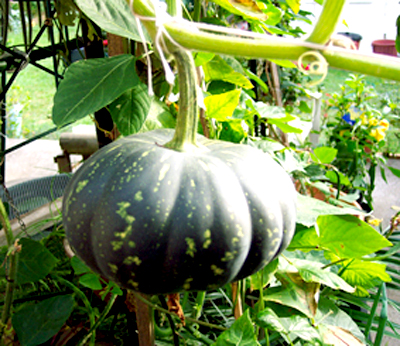
Benefits of Pumpkin - Green and orange are some of the colors pumpkin. These delicious additions to your diet not only provide a wide range of nutritional benefits of pumpkin, but are an example of being able to eat seasonally and locally. Another plus is that they can be stored without refrigeration for long periods of time.

When it comes to pumpkin nutrition, these vegetables have a lot in common. Because benefits of pumpkin their orange color, they are full of beta carotene. This nutrient has health benefits of pumpkin, but can turn into vitamin A as needed by the body. These nutrients benefits of pumpkin are important for eye and skin health, as well as for many other body tissues. They also play a role in the immune system.

Orange vegetables contain many other antioxidants, such as lutein, zeaxanthin, and alpha carotene that help protect the body from free radicals (a cause of tissue damage). These and other nutrients found in the orange vegetables fall under the heading of "phytonutrients" �� nutrients found in plant foods that contribute to optimal health that we are just beginning to learn about.

The antioxidants in these vegetables have the potential to health benefits of pumpkin conditions such as reduced risk of some cancers. They are important for growth, development and health in babies and children/teens. For adults, they contribute to overall health and reduced risk of tissue breakdown.

Vitamin C, K, E and several B vitamins are also found in orange vegetables, as are many minerals � potassium, iron, magnesium, manganese and copper. These nutrients of pumpkin have many jobs in the body. When it comes to blood pressure, current guidelines recommend reducing our intake of sodium, while consuming more potassium. The Pumpkins are especially high in potassium.
yellow pumpkin
yellow pumpkin
 yellow pumpkin

Health Benefits of Pumpkins

green pumpkin
green pumpkin
 green pumpkin
Benefits of pumpkins are great sources of fiber, as well. Higher fiber intakes can help lower cholesterol numbers and assist with blood pressure and blood sugar regulation. Fiber can also help with weight control because it adds bulk at a meal, meaning we feel fuller and overall may eat less. It also slows digestion so the fuel from a meal or snack lasts longer and we may feel the need to eat less often.

green pumpkin plant
green pumpkin plant
green pumpkin plant
The Dietary Guidelines for Americans 2010 recommends that adults consume four to seven cups of pumpkin a week (depending on the total amount of calories consumed). With regard to the new "My Plate" that has replaced the Food Pyramid, including more of these vegetables can help you to reach the goal of making half your plate veggies. Think back about your food intake this past week. How did you do with these pumpkin nutrient

If you are a little behind in achieving the recommendations, browse through the produce section this week and choose a few of these golden veggies to take home. Numerous recipes are available online. Because of their sweet (and in some cases nutty) flavor, they blend well with both sweet and savory foods.

All can be baked or steamed � whole, bite-sized, or mashed. Bite-sized pieces can be tossed with a little olive oil (maybe with a sprinkle of minced fresh herbs or other seasoning) and roasted in the oven until tender.

With the colder weather, they are a sweet and hearty addition to soups, stews, and chili. Roasting them before adding them to a soup adds even more flavor. They pair well with fruit like apples in a soup or add a contrast to the hot spices � cumin, chili powder or curry � in savory dishes.

Try simmering cubes of butternut squash and carrots with water, diced tomatoes, onions, coriander, cumin, turmeric, ground ginger, and a dash of cayenne pepper in a covered pot and cook until tender. Then serve over cooked quinoa or brown rice and sprinkle with chopped fresh cilantro.

Add some pureed pumpkin or orange squash to chowder for added nutrients and a nice golden color. Slip some into a muffin batter, pancake or waffle batter, or yeast dough bread. Spices like cinnamon, ginger, nutmeg, allspice and cloves can be added as well. Another option is to add pureed carrot, squash or pumpkin to tomato sauce and serve over whole grain pasta. Pureed pumpkin or squash added to low-fat ricotta cheese and a dash of nutmeg makes a great filling for ravioli. Cooked squash can be added to a veggie lasagna, too.

For dessert, try a pumpkin or winter squash custard � like pumpkin pie without the crust. This provides the nutrients from the orange vegetables and milk while cutting down on the fat and calories. Try using low fat milk or low fat evaporated milk and reduce the sugar to save even more calories. A pumpkin cheesecake is another seasonal dessert that can be made with fat-free cream cheese and less sugar to lower the calorie count. So do yourself a favor and take advantage of the delicious, colorful, and nutritious orange autumn vegetables.

Friday, 7 September 2012

Benefits of Carrots


Benefits of Carrots for Health

carrot for eyes
carrot for eyes
 Health benefits carrot for eyes
Benefits of Carrots - Carrots including popular vegetables that contain lots of nutrients. It is recommended to choose the carrot that looks good, his condition immediately and bright orange color. Carrots that are too large have a somewhat sharp flavor and slightly bitter. Benefits of carrots are very beneficial for our health.

Besides it feels good, fresh carrots also have nutritional value quite well. Benefits of carrots are the main source of carotenoids and beta carotene. In the liver, carotene turns into vitamin A when the body lacks vitamin A. Benefits of vitamin A in carrots is very high so helpful for vision, prevention of night blindness, promotes wound healing and skin repair. Vitamin A also helps the liver to eliminate toxins (toxins) in the body. Meanwhile, the benefits of beta-carotene in carrots boost the immune system so that it can prevent disease, improve health, and prevent aging.
carrot
carrot
 Carrot

Benefits of Carrots are also enriched cells and tissues and helps protect against cancer. In addition, carrots are also stimulating cleansing reactions that can decrease fat, get rid of fat quickly and easily. Nutritional content of carrots is 27 mg calcium, 0.5 iron, 34 mg sodium 26 mg potassium fosfor246 mg, 6 mg vitamin C, 7.93 IU vitamin A, vitamin B complex and numerous. Mineral content contained in carrots is potassium. This mineral keeps water balance in the body and helps lower blood pressure and help neutralize the acid in the blood.
carrots
carrots
 Carrots

5 Benefits of Carrots for Health

1. Address skin disorders
2. Helping digestion
3. Boost the immune system
4. Antioxidant and anticancer
5. Lowering cholesterol levels
fresh carrot
fresh carrot
 Fresh Carrot

Thursday, 6 September 2012

Carrot Plant

Carrots Plant

Carrot Plant
Carrot Plant

What is Carrot Plant

Carrots Plant
Carrots Plant
Carrot Plant-  the Latin name of carrot is  Aconilum napellus L. It is a kind of plant that includesfamilia Ranunculaceae, the important thing is what we call the tuber carrots. Religiousgrowth in Indonesia, especially the lowland-highland such as West Java, Central Java, East Java, and others, which has airand the air is cool and moist

Carrots have a characteristic odor, at first it will feel sweet when bitten, but then it will feel spicy.
Microscopic Plant Carrots:
a). Shape bulbs/ carrots arelike elongated cones, generally more taperedtip section, and often have children bulbs.
b). outer part rather young brown and maroon interior.
c). many root fibers / scars, long carrots about 4 cmto 10 cm, height1.5 cm width- 3 cm.

Carrots Plants
Carrots Plants

Ingredients in Carrot Plant

1). Alkaloids akonitinaor asetbencilakonin.
2). Benzoilakonina, akonina and neopelina.


Carrot contains vitamin A that good for our eyes.
Grow a Carrot plant is easy and useful.